

Board of Directors
James C. Temerty
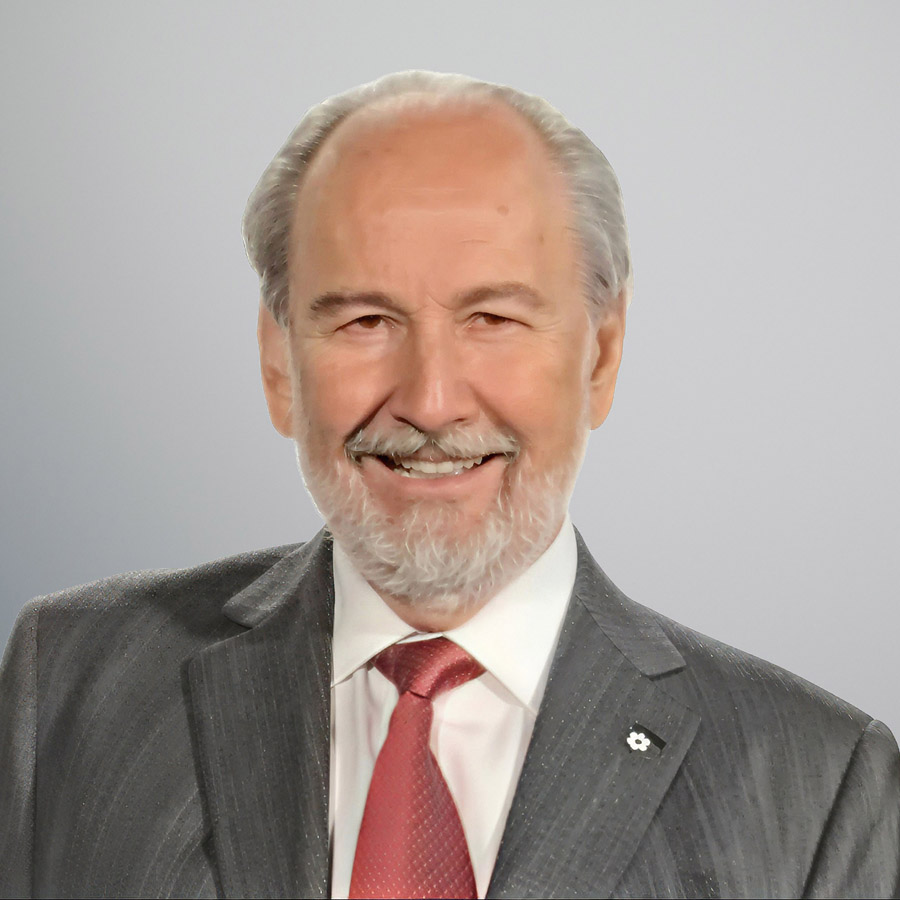 James C. Temerty, C.M., a founder and sponsor of the Ukrainian Jewish Encounter, is a visionary entrepreneur and a philanthropist whose life's work reflects a profound commitment to Canada, Ukraine, innovation, community service, and global betterment. Over more than four decades, he built and led transformative ventures in the technology and renewable energy sectors.
Together with his wife, Louise, Mr. Temerty established the Temerty Foundation in 1997. Their philanthropy has supported education, healthcare, culture, and community initiatives in Canada, Ukraine, and internationally. In recognition of their longstanding commitment to advancing medical education and research, the University of Toronto named the Temerty Faculty of Medicine in 2020. More recently, the Foundation supported the creation of the Temerty Discovery Centre at the Centre for Addiction and Mental Health (CAMH), a state-of-the-art research facility scheduled to open in 2027.
Mr. Temerty has served on numerous boards and previously chaired the Royal Ontario Museum's Board of Governors, where he helped guide the Renaissance ROM Fundraising Campaign to support the transformation of the institution. Internationally, he serves as Chairman of the Advisory Council of the Kyiv-Mohyla Business School.
Mr. Temerty is a Member of the Order of Canada (C.M.) and a recipient of the Order of Prince Yaroslav the Wise. He has also been honoured with the Legend of Ukraine Award by President Zelensky.
Mark J. Freiman
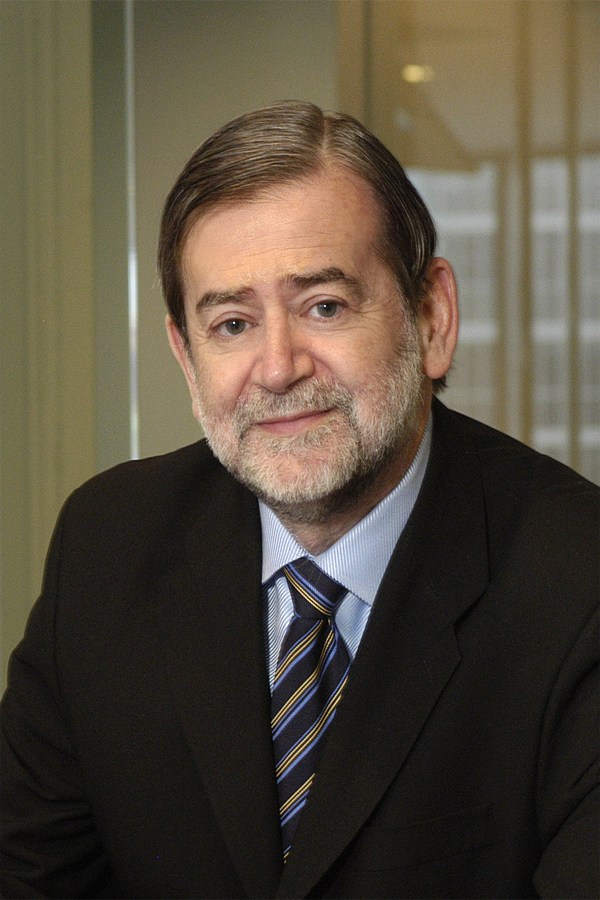 Mark J. Freiman practises law at the firm of Lerners LLP in Toronto. He has appeared in high profile cases at all levels of the Canadian legal system, including as lead counsel for the Commission of Inquiry into the Investigation of the Bombing of Air India Flight 182 and the Canadian Human Rights Commission in the proceedings against Ernst Zündel and his internet hate site. From 2000 to 2004, Mr. Freiman was Deputy Attorney General for Ontario. He was President of the Canadian Jewish Congress and President of the Canadian Peres Centre for Peace Foundation.
Mr. Freiman is co-author of The Litigator’s Guide to Expert Witnesses, and frequently writes, teaches at the university level, and speaks on topics related to national security, human rights law, and media. He has been the recipient of numerous academic awards and is currently Adjunct Professor of Law at Osgoode Hall Law School. In addition to undergraduate and graduate law degrees from the University of Toronto, Mr. Freiman also holds a PhD in Modern Thought and Literature from Stanford University. Mr. Freiman’s family is originally from Galicia. He is a principal figure in the “Return to Dignity” project in his father’s birthplace of Sambir, Ukraine. The aim of the project is rehabilitation of the ancient Jewish cemetery in Sambir and of the mass graves of Jewish victims of the “Holocaust by Bullets” in the cemetery and in the nearby forest at Ralivka.
Adrian Karatnycky
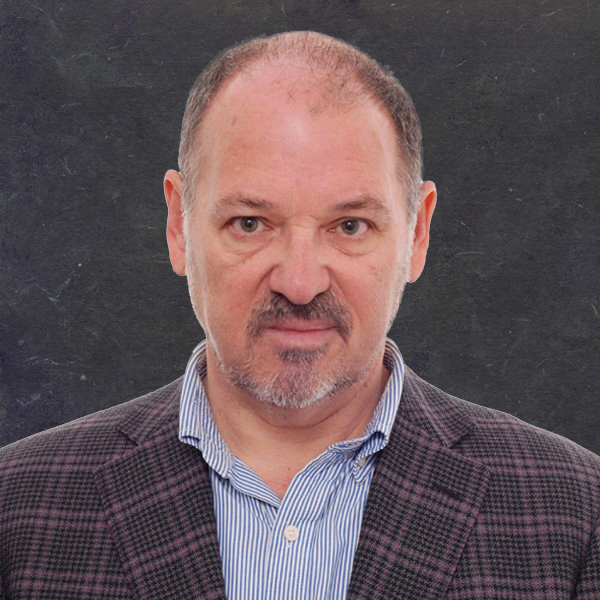 Adrian Karatnycky, one of the original founders and Co-Director of the Ukrainian Jewish Encounter, is a Senior Fellow at the Atlantic Council in the United States and director of its Ukraine-North America Dialogue. From 1993 until 2003, he was President of Freedom House, during which time he developed programs of assistance to democratic and human rights movements in Belarus, Serbia, Russia, and Ukraine, and devised a range of long-term comparative analytic surveys of democracy and political reform. For twelve years he directed the benchmark survey Freedom in the World and was co-editor of the annual Nations in Transit study of reform in the post-Communist world. He is a frequent contributor to Foreign Affairs, Newsweek, the Washington Post, the Wall Street Journal, the Financial Times, the New York Times, and many other periodicals. He is the co- author of three books on Soviet and post-Soviet themes.
Paul Robert Magocsi
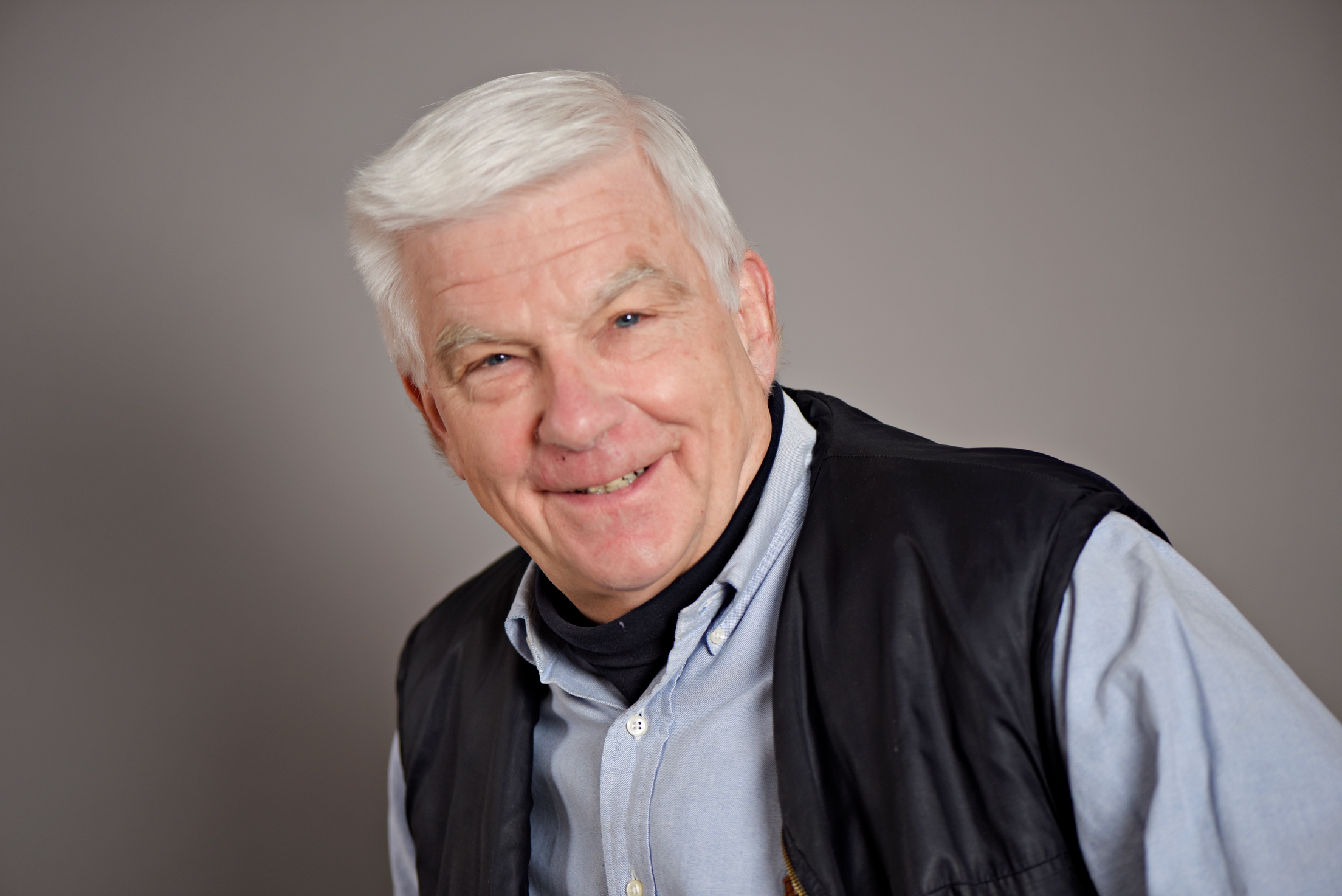 Paul Robert Magocsi (Co-Chair, UJE Academic Council) is Professor Emeritus of history and political science at the University of Toronto, where from 1980 to 2025 he held the professorial Chair of Ukrainian Studies. He received his PhD from Princeton University in 1972 and was a Junior Fellow of the Society of Fellows at Harvard University in 1973–1976. Among his nearly one-thousand publications are forty-three books, including: The Shaping of a National Identity: Subcarpathian Rus’, 1848-1948 (Harvard University Press, 1978); Galicia: A Historical Survey and Bibliographic Guide (University of Toronto Press,1983); Historical Atlas of East Central/ Central Europe (University of Washington Press, 1993/2002); A History of Ukraine (University of Toronto Press, 1996); Of the Making of Nationalities There is No End (Columbia University Press, 1999, 2 vols); The Roots of Ukrainian Nationalism (University of Toronto Press, 2002); Ukraine: An Illustrated History (University of Toronto Press, 2007); Out of Nowhere: The Art of Carpathian Rus (2025); ten language editions of the highly influential Ukraina Redux: On Statehood and National Identity (2022-25); and the fully revised and expanded History of Ukraine: The Land and Its Peoples (University of Toronto Press, 2010). He is also the editor-in-chief of The Encyclopedia of Canada’s Peoples (University of Toronto Press, 1999) and co-editor and main author of the Encyclopedia of Rusyn History and Culture (University of Toronto Press, 2002). Professor Magocsi has taught at Harvard University, the Hebrew University in Jerusalem, Presov University in Slovakia, and on five occasions was historian-in-residence at the Max Planck Institute for Social Anthropology in Halle, Germany. He was appointed a permanent fellow of the Royal Society of Canada–Canadian Academies of Arts, Humanities, and Sciences (1996), a member of the Polish Academy of Arts and Sciences in Krakow, Poland (2023) and has been awarded honorary degrees from Prešov University in Slovakia (doctor honoris causa, 2013) and from Kamianets-Podilskyi National University in Ukraine (pochesnyi profesor, 2015). He has received several awards for his contributions to scholarship on the history of the diverse peoples and cultures of central and eastern Europe.
Wolf Moskovich
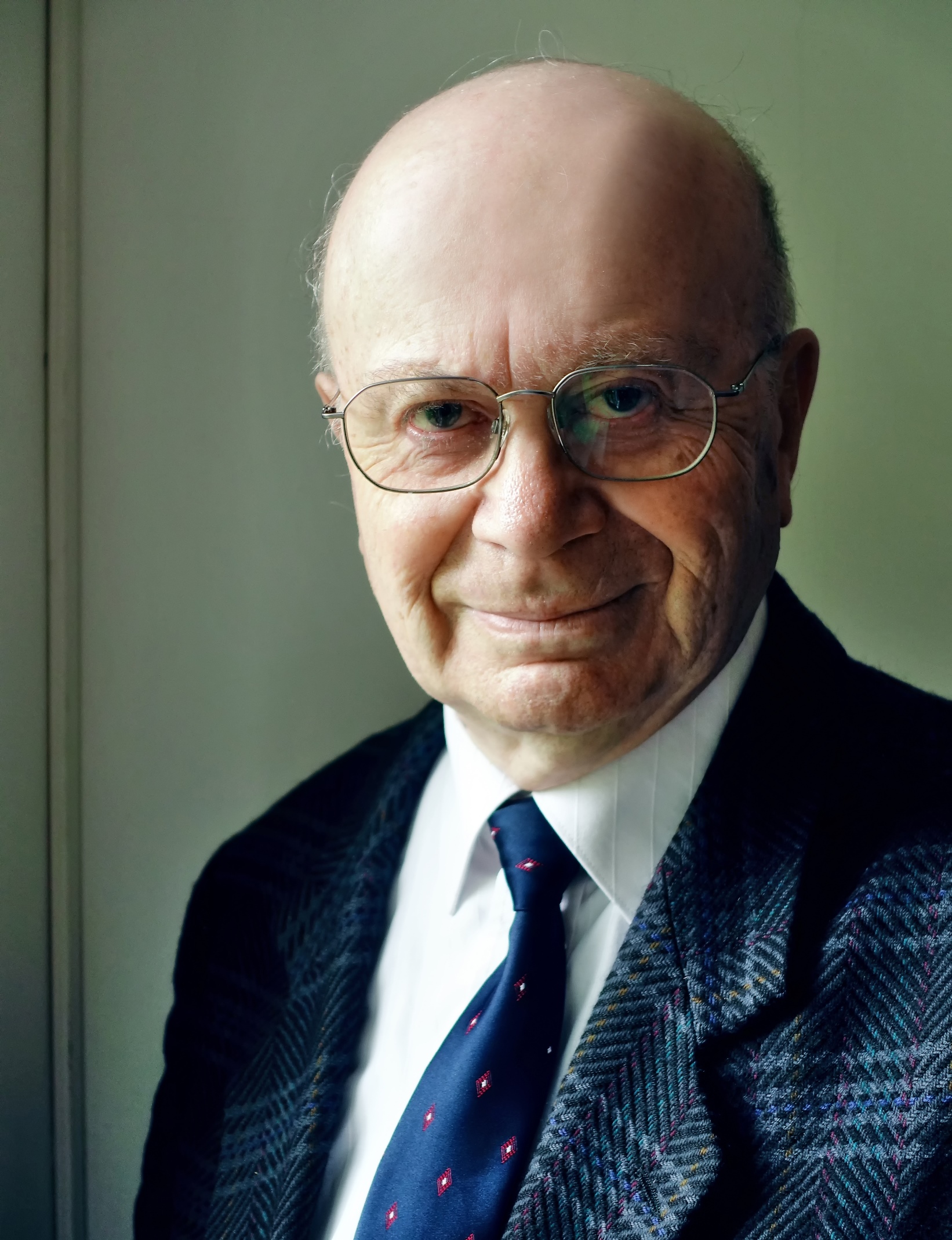 Wolf Moskovich is Professor Emeritus and formerly Professor and Chairperson of the Department of Russian and Slavic Studies at the Hebrew University of Jerusalem (1976–2004). His main fields of interest include Slavic studies (Ukrainian studies in particular), Jewish culture and history in Eastern and Central Europe (Yiddish studies in particular), interrelations between Jews and Christians, and languages and cultures in contact. He studied at Chernivtsi State University in Ukraine, received his PhD (1965) from the Moscow Institute of Foreign Languages, and Dr. Hab. (1971) from the Academy of Sciences of the USSR, Leningrad. From 1965 to 1974 he was also senior researcher and laboratory director in computational linguistics and cognitive studies for the Committee for Inventions and Discoveries of the USSR, Moscow.
He has been Visiting Professor at the universities of London, Oxford, Cornell, Pennsylvania, Rome, and Bratislava. He has over three hundred publications, including twelve monographs, mainly in the fields of theoretical and Slavic philology, and Jewish and Ukrainian culturology. He is editor-in-chief of the book series Jews and Slavs (volumes 1-27, Jerusalem) since 1993. He was for a number of years President of the Israeli Committee of Slavists and a member of the International Committee of Slavists. Honours received include: Foreign Member of the National Academies of Sciences of Ukraine and Slovenia; the V. Zhabotinsky Gold Medal of the Ukraine-Israel Friendship Society (Kyiv) for promoting mutual understanding among nations; and in 2023 he was awarded the Life Achievement Award for the revival and advancement of Yiddish culture by Israel's National Authority for Yiddish Culture.
Serhii Plokhii (Plokhy)
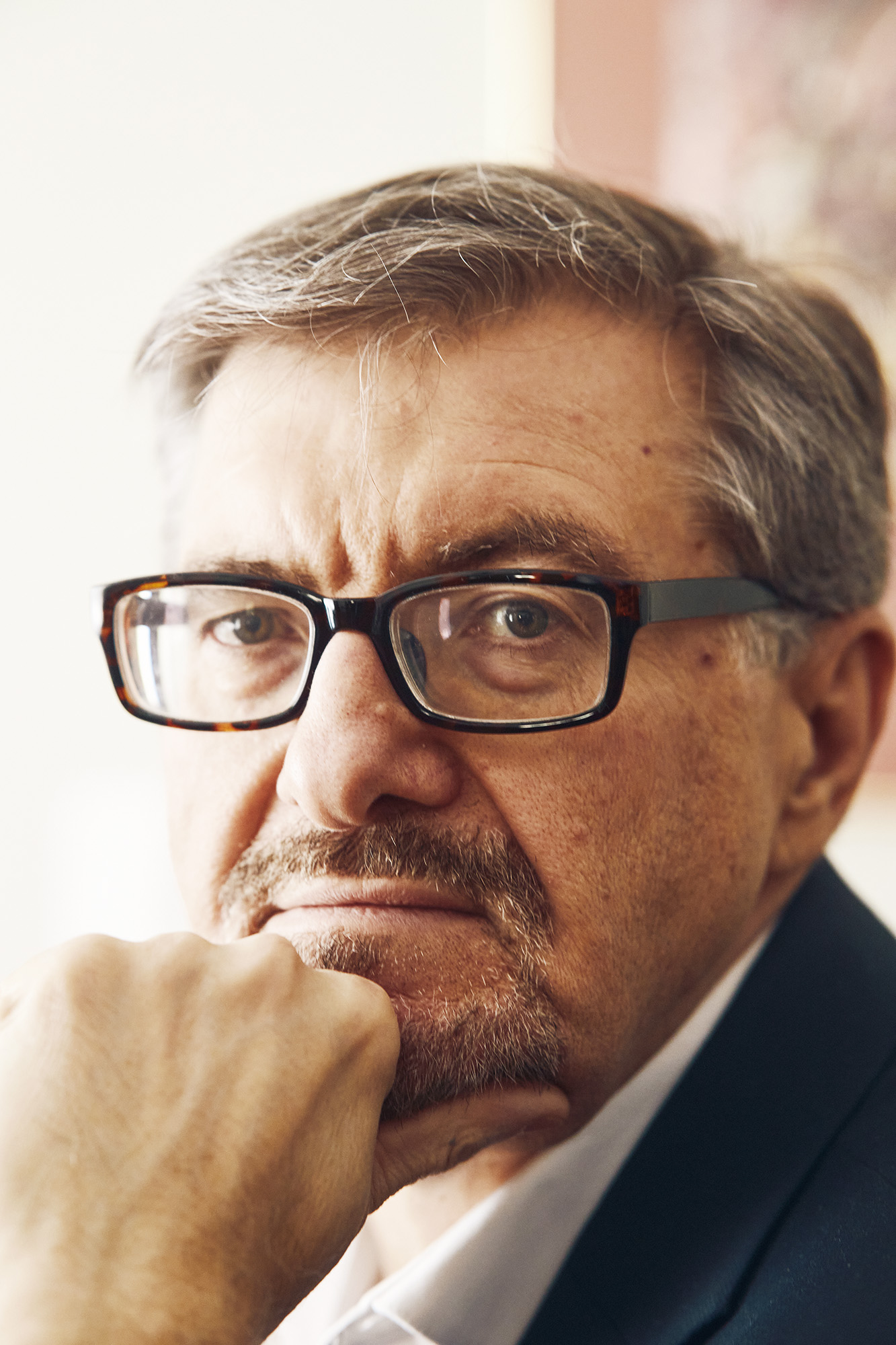 Serhii Plokhii (Plokhy) is the Mykhailo Hrushevsky Professor of Ukrainian History at Harvard University. A leading authority on Ukraine, Russia, and Eastern Europe, he served as the director of the Harvard Ukrainian Research Institute from 2013 to 2025. His books won numerous awards, including the Lionel Gelber Prize for the best English-language book on the international relations for The Last Empire: The Final Days of the Soviet Union (2014), Taras Shevchenko National Prize (Ukraine) for The Gates of Europe: A History of Ukraine (2015), and Ballie Gifford Prize and Pushkin House Book Prize, UK for Chernobyl: History of a Tragedy, (2018), and Duke d’Arenberg Prize in European History for The Russo-Ukrainian War: The Return of History (2023). His latest book, The Nuclear Age: An Epic Race for Arms. Power and Survival was released by W.W. Norton in US and Penguin in UK in October 2025.
Alti Rodal
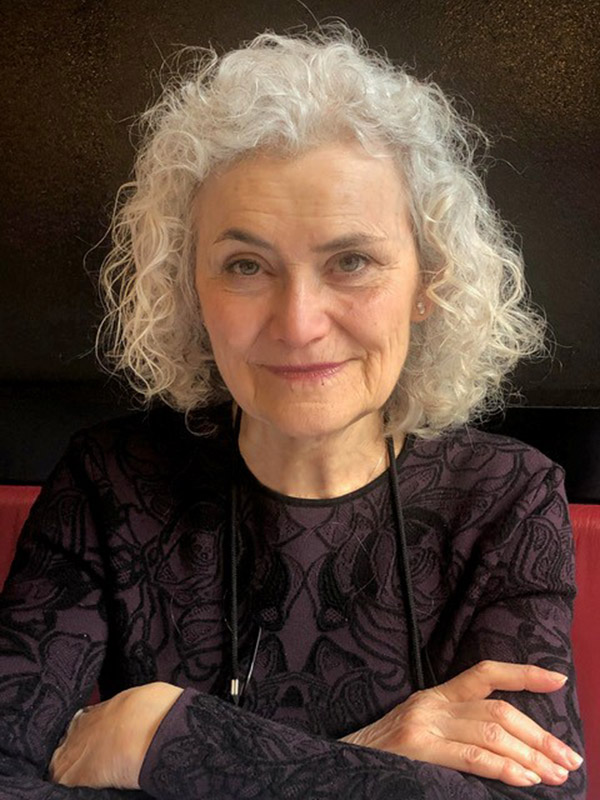 Alti Rodal is one of the original co-founders of the Ukrainian Jewish Encounter and has also served as its Co-Director and as Chair of UJE’s Academic Council.
She is a historian, writer, and educator, and a former official and advisor to the Government of Canada. Rodal was born in Chernivtsi (Czernowitz), Ukraine, and received her early schooling in Israel. She studied history and literature at McGill University, the Hebrew University of Jerusalem, and Oxford University.
Her professional experience includes a decade of full-time and sessional teaching at universities in Montreal, Ottawa, and Oxford. She has conducted research and writing under academic, policy institute, governmental, and other auspices. Her experience in government includes more than 20 years of senior advisory and management roles with the Government of Canada, including the Privy Council Office and other central agencies, and Royal Commissions of Inquiry.
Rodal is the author of numerous governmental studies and reports, as well as scholarly and other writings on identity, Jewish culture and history (including Ukrainian-Jewish history), intercommunal relations, and public policy. She has also served on the boards of public bodies, national NGOs, and community organizations.
Berel Rodal
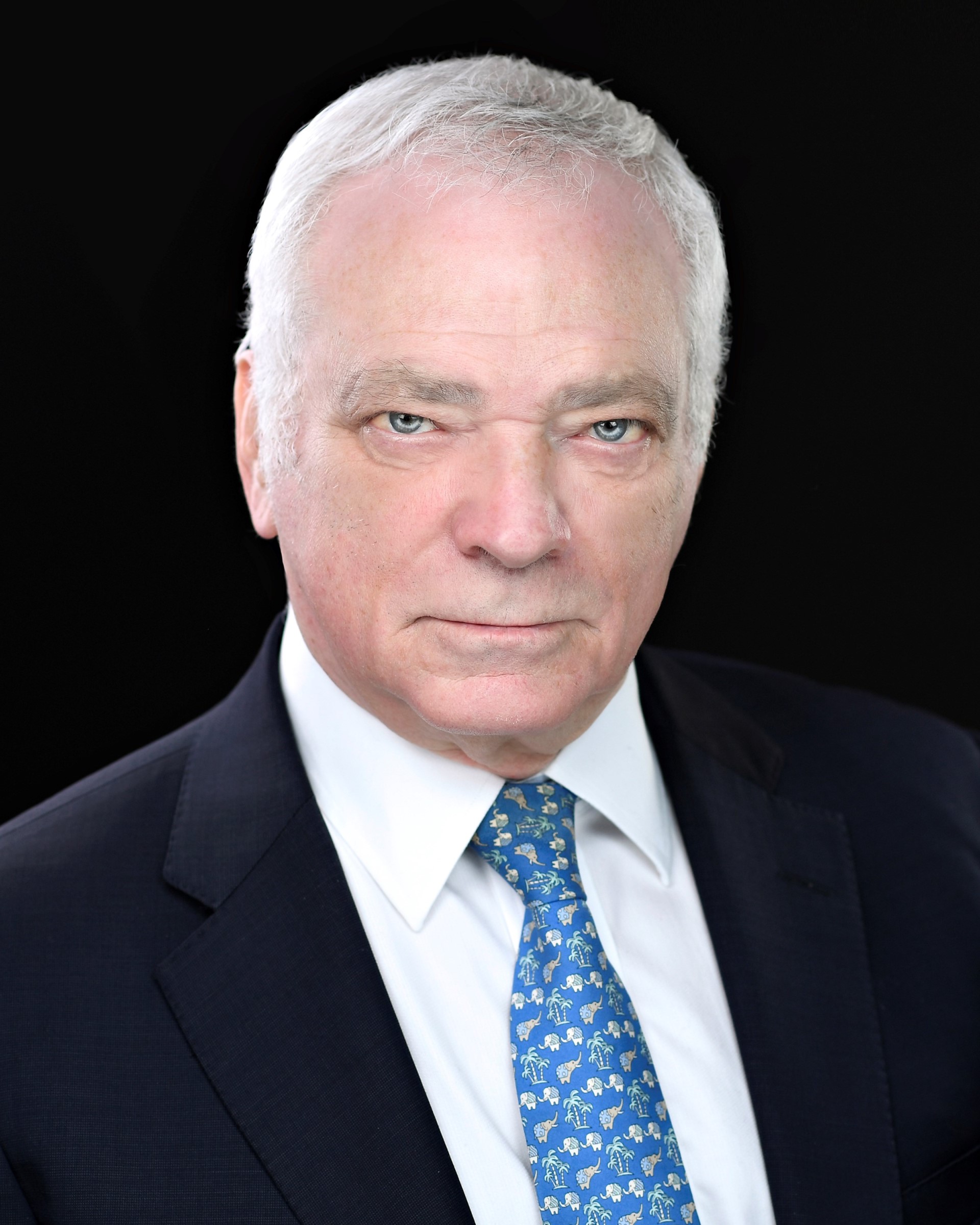 Berel Rodal is one of the original co-founders of the Ukrainian Jewish Encounter. He also serves as Chair of the UJE Advisory Board.
He provides strategic advice and related services to select clients in the private and public sectors. In public roles, he co-founded and co-directed with Bill Emmott the Global Commission on Post-Pandemic Policy. The Commission convened leaders, scientists, and strategists to advance informed discourse, decision-making, and consensus in treating the crises created or exacerbated by the pandemic.
He is a founder of the North American Forum, which convenes political, business and societal leaders from the United States, Canada, and Mexico to advance North American security, resilience, and prosperity. He served for a decade as Vice Chair of the International Center on Nonviolent Conflict, based in Washington, DC.
His earlier professional experience as a senior official in the Government of Canada for twenty years included policy, planning, and executive responsibilities in the national unity, foreign affairs, international trade, defense, security, and economic domains. He was a member of Canada’s team negotiating the Canada-U.S. Free Trade Agreement, precursor of NAFTA and CUSMA.
He writes and lectures on nationalism and political identity, the state and governance issues, and international political and security affairs. He holds degrees from McGill and Oxford Universities. He was awarded the Queen Elizabeth II Golden Jubilee Medal in 2002, and the Diamond Jubilee Medal in 2013.
Igor Shchupak
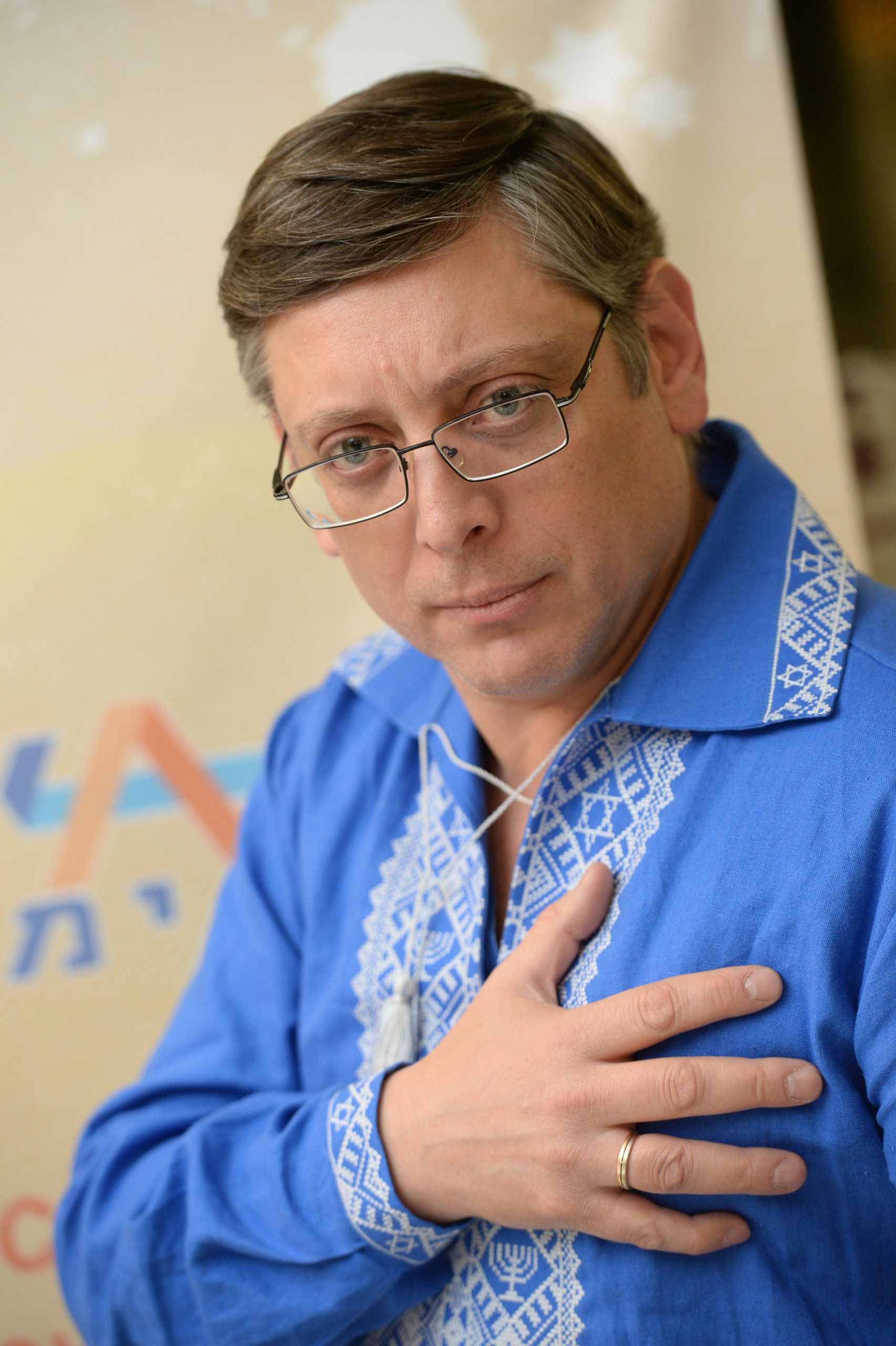 Igor Shchupak — Ph. D, Director of «Tkuma» Ukrainian Institute for Holocaust Studies; Vice-rector for scientific work of the «Beit Chana» International and Pedagogical Institute (Ukraine); Member of the International Council of Auschwitz (Poland). Prior to that, worked as the editor-in-chief of the "Premier" Publishing House (Zaporizhzhia, Ukraine), the editor-in-chief of the weekly Forum (Toronto, Canada), and a teacher of higher and secondary educational institutions of Ukraine. Dr. Igor Shchupak is an author of more than 150 scientific works on history, published in Austria, Belorussia, Israel, Canada, Poland, Russia, Ukraine and other countries, as well as 20 history textbooks for secondary schools of Ukraine, recommended by the Ministry of Education and Science of Ukraine. He was a scientific consultant for fictional film and a number of documentaries. He is a member of Ukrainian-German Historical Committee, Ukrainian-Polish Committee of Experts on Improving the Content of Textbooks on History and Geography, head of the author’s team to create new programs and history textbooks for Ukrainian schools. Igor Shchupak is a member of the Editorial Board of Institute for Euro-Asian Jewish Studies (EAJC), Israel; member of Academic Council of the Scientific Journal "War and Memory" («Wojna i Pamięć») World War II Museum (Gdansk, Poland). Honored Educator of Ukraine (2018).